
Why HR Platforms Need an Integration Layer, Not Just an App Store
Written by Repute Network, Jun 4, 2026 · 4 min read
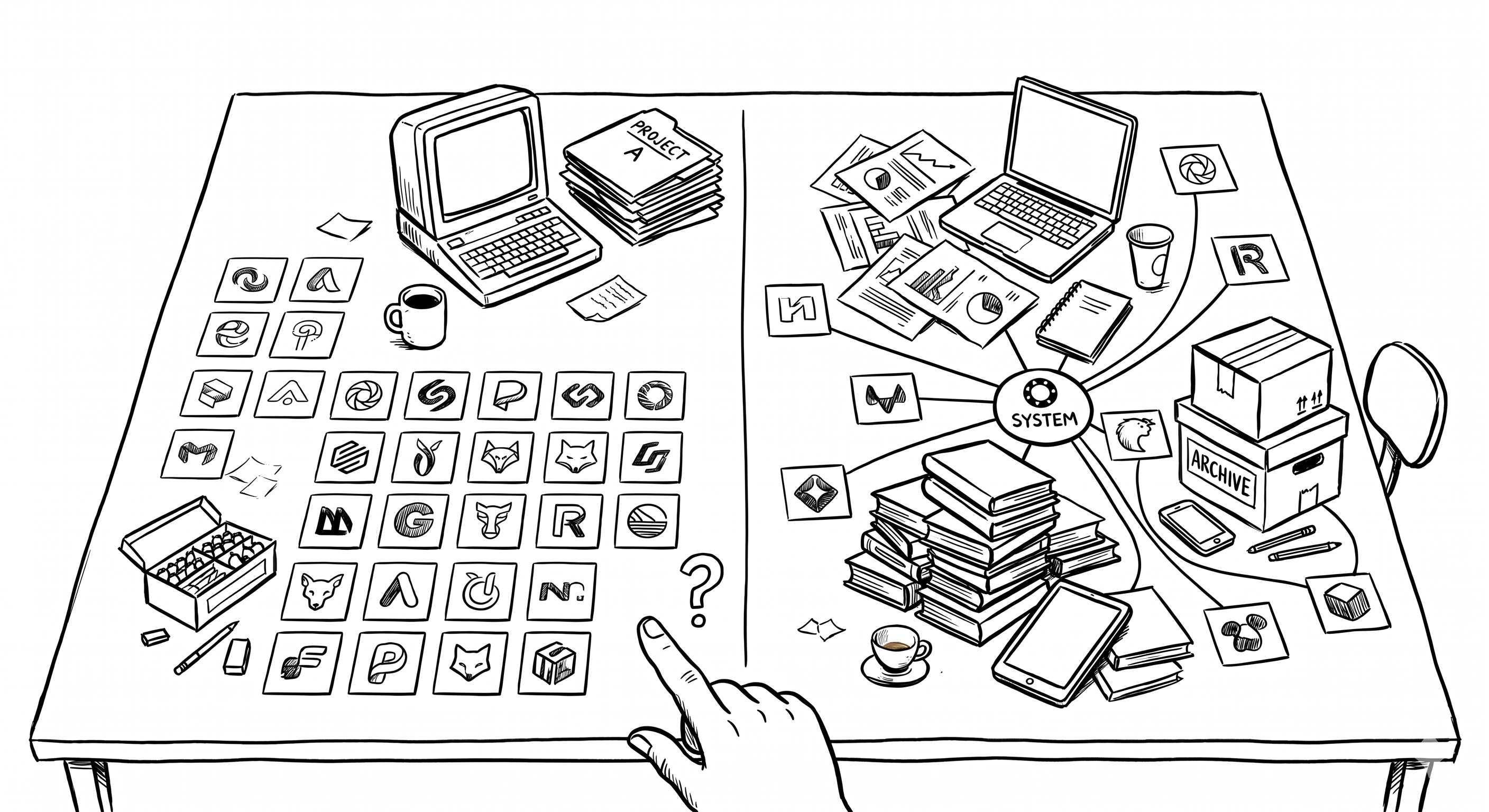
Every HRMS has a marketplace page. Rows of logos. Partner badges. A search bar. Filter by category. It looks like an ecosystem. It functions like a directory.
The recruiter still has to open another tab. The HR manager still has to export a file. The payroll team still has to reconcile two systems manually. The logos are there. The connection isn't.
This is the gap most HR platforms have not crossed — and it matters more than most founders realise.
A Marketplace Is a Starting Point, Not a Solution
An app store solves a discovery problem. It tells a buyer: here are the tools that work with our platform.
That is genuinely useful. Knowing which assessment tool has a pre-built connection to your HRMS saves procurement time. Knowing which background verification provider has been tested against your API matters. Discovery has real value.
But discovery is not connection. A marketplace entry does not mean data flows automatically. It does not mean the recruiter stays inside their workflow. It does not mean an action taken in one system is reflected in another without someone manually making it happen.
Most HR platform marketplaces stop at discovery. They list tools. They document APIs. They publish integration guides. And then they hand the actual work of connecting those tools to the HR team, the IT department, or the vendor's implementation partner.
That handoff is where the ecosystem promise breaks down.
What an Integration Layer Actually Does
An integration layer is not a list. It is infrastructure.
It sits underneath the HRMS and manages how data moves between systems — in real time, without manual intervention, without someone needing to export a CSV and upload it somewhere else. When an employee is hired in the HRMS, the integration layer tells the payroll system, the IT provisioning tool, the onboarding platform, and the benefits portal — simultaneously, automatically, without a human in the middle.
The average HR team today uses between six and nine different tools. Without an integration layer, each of those tools operates on its own version of the truth. The HRMS says one thing. Payroll says another. The learning platform hasn't been updated yet. Someone has to reconcile all of it — and that someone is usually the HR team, spending hours every week on work that should not exist.
An integration layer makes those hours disappear. Not by replacing the tools, but by connecting them at the data level so they always reflect the same reality.
That is a fundamentally different product than a marketplace.
The Platform That Only Lists Tools Is Already Behind
Here is the shift that is already happening.
HR buyers are moving past the question of which tools to buy. They are asking a harder question: how will these tools work together inside my existing platform? And they are finding that the answer from most HRMS vendors is still: talk to the vendor, read the documentation, hire an implementation partner.
That answer used to be acceptable. It no longer is.
The HR platforms gaining ground are the ones treating connectivity as a core product feature — not a partner programme. They are building the layer that sits between systems and manages the flow of data, workflow triggers, and process handoffs. They are making it possible for a solution provider to connect their tool once and have it work inside every customer's HRMS workflow, not just appear on a logo page.
This is what it means to be an infrastructure layer, not just a platform. The distinction matters because it changes what you are selling. A platform sells features. An infrastructure layer sells the ability to make every tool around it work better.
The Question Every HRMS Founder Should Be Asking
An app store makes a platform look connected. An integration layer makes it actually connected. And HR buyers, slowly but clearly, are learning to tell the difference.
The platforms that will define the next five years of HR technology are not the ones with the most features or the longest list of integrations. They are the ones that made it genuinely easy for every tool in the HR stack to work together — without custom builds, without IT tickets, without someone manually keeping two systems in sync.
The marketplace is the front door. The integration layer is the foundation. You cannot build a connected ecosystem on top of a directory.
If the tools in your marketplace require an IT project to actually connect — are you building an ecosystem, or just a better catalogue?


