
Why Employee Management Is Still Fragmented in 2027
Written by Repute Network, Jun 4, 2026 · 4 min read
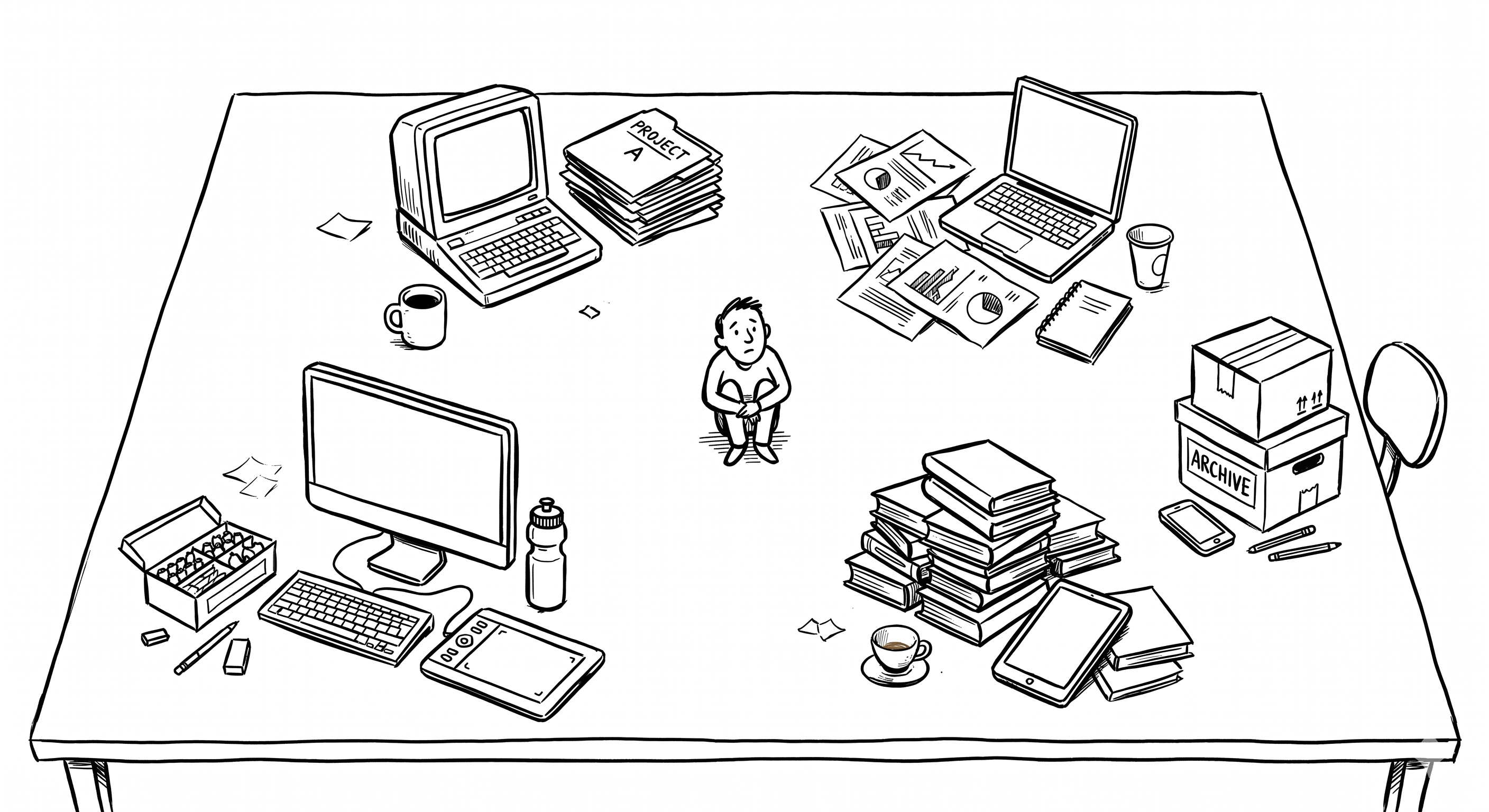
Most organizations don't have an employee management problem. They have a connection problem. The tools exist. The budgets were spent. The systems are running. And yet, something keeps slipping through — quietly, consistently, expensively. The answer isn't buried in any one platform. It's sitting in the space between all of them.
The New Hire Who Fell Through the Cracks
Her name was Sarah. First day. Excited.
She got a welcome email from HR. A separate email from IT about her laptop. A Slack message from someone she hadn't met yet. A calendar invite from a system she didn't have credentials to. Then a form she could only access after IT sorted her account — which was waiting on HR to confirm her start date in a different system.
By noon, six browser tabs open. No idea where to begin.
Nobody dropped the ball. Every system did exactly what it was supposed to do.
The problem wasn't that anything broke. The problem was that nothing connected.
We Bought Tools. We Didn't Build Systems.
Over the past decade, organizations went on a buying spree.
Payroll software. Performance platforms. Learning management systems. Benefits portals. Onboarding apps. The average organization ran 6.2 HR systems in 2020. By 2024, that number had climbed to 9.1 — not because companies replaced old tools, but because they kept adding new ones.
Each purchase made sense on its own. The recruiting tool had better tracking. The performance platform had great reviews. The onboarding app looked clean in the demo.
But nobody asked the harder question: how will all of this work together for the person actually living through it?
The answer, most of the time, was: it won't.
The Problem Lives Between Systems
This is the part that's easy to miss.
When something goes wrong in employee management, the instinct is to look at the systems. Is the HRIS configured correctly? Is the onboarding checklist complete? Usually, yes. Usually, everything is functioning fine.
The failure isn't inside any system. The failure lives in the space between them.
When an employee gets promoted, someone updates their title in the HRIS. Then updates their access in IT. Then notifies payroll. Then adjusts their learning profile. Each is a separate action, in a separate system, owned by a separate team. Miss one handoff — and they get missed constantly — and the employee's reality no longer matches the organization's records.
Companies with fragmented HR stacks spend 34% more on administration than those with integrated systems. Employees overwhelmed by disconnected tools lose 11 or more hours every week just chasing basic information.
The systems work. The journey doesn't.
Why More Software Makes It Worse
There's a reasonable-sounding response to all of this: buy better software.
73% of organizations added at least one new HR technology in the last 18 months. But adding software to a fragmented stack doesn't fix fragmentation — it deepens it. Every new tool is another system that has to talk to all the others. More integrations to build. More data to synchronize. More handoffs to manage.
Tool accumulation without integration isn't a strategy. It's a budget leak with a compliance tail.
The organizations getting this right aren't running fewer tools. They're treating integration as the product, not the afterthought. They're building workflows that cross system boundaries and designing employee journeys that don't require a human to manually hand data from one platform to the next.
That's not a technology problem at its core. It's a design problem — deciding that the employee's journey, not the vendor's feature set, is the thing worth organizing around.
Still Fragmented in 2027
Here's the uncomfortable truth: nothing about this will fix itself automatically.
Organizations will keep buying software. Vendors will keep promising integration. And employees will keep opening too many tabs on their first day, wondering why a company that seems sophisticated can't send them a single coherent welcome.
The fragmentation persists not because the technology doesn't exist to solve it. It persists because the problem keeps getting misdiagnosed — treated as a software problem when it's really a systems thinking problem.
Employee management isn't fragmented because organizations lack tools. It's fragmented because tools were purchased function by function while employees experience work as a single, continuous journey — and nobody made connecting that journey anyone's job.
Until that changes, 2027 will look a lot like today.
The employee experience doesn't live inside any one system. It lives in the gaps between all of them. What would it look like if your organization treated those gaps as the actual product?


