
How Many Tools Does It Take to Manage One Employee
Written by Repute Network, Jun 23, 2026 · 4 min read
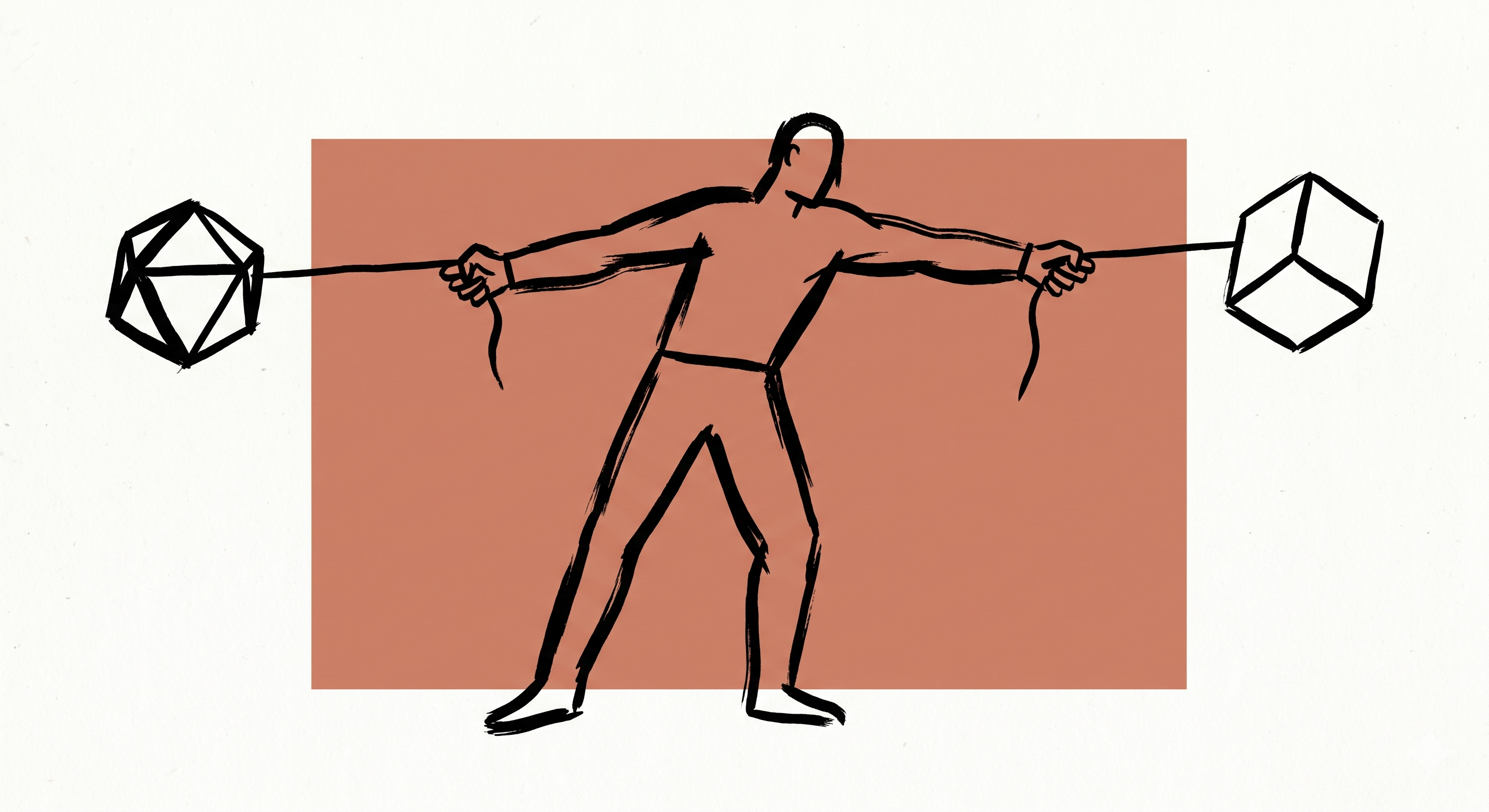
A new employee's first week starts with a checklist. Not hers — her manager's. Log her into the HRIS. Trigger payroll enrollment. Set up benefits. Assign the onboarding module. Grant system access. Add her to the performance platform. Send the equipment request.
By Wednesday, seven different tools have been touched. None of them know the others exist.
This is how most organisations manage employees today — not through a coherent experience, but through a relay race across disconnected systems. The question of how many tools it takes to manage one employee sounds almost rhetorical. But when HR leaders actually count, the number is almost always more than anyone planned for, and the costs that come with it are hiding in plain sight.
## The stack nobody designed
The modern HR tool stack was never planned. It accumulated.
A payroll platform came first. Then a standalone benefits portal added during a particularly painful open enrollment. Then a learning management system championed by L&D. Then a performance tool brought in after a difficult annual review cycle. Each decision made sense at the time. Each one solved a real problem. And each one added another system that someone now has to maintain, update, and keep aligned with the others.
[Okta's annual Businesses at Work report](https://www.okta.com/businesses-at-work/) tracks application adoption across tens of thousands of organisations and consistently documents that larger businesses use hundreds of distinct applications — with HR and people operations contributing a significant share. Trace the full lifecycle of one employee — hiring, onboarding, payroll, benefits, learning, performance, offboarding — and count every system involved. Most HR leaders stop counting when it gets uncomfortable.
The tool count grew one reasonable decision at a time.
## The sync tax — what disconnected employee management tools actually cost
Every gap between two systems is a moment where something has to move manually. A new hire enters the HRIS, but someone still has to trigger payroll separately. A promotion is approved in the performance tool, but compensation has to be updated in another system by hand. A leaver's offboarding spans four platforms and requires a human to close each one in sequence, in the right order, without missing a step.
This is what might be called the sync tax — the invisible administrative burden that accumulates whenever disconnected systems have to be kept aligned by people instead of by design. It is not a crisis. It does not announce itself. It absorbs time, degrades data accuracy, and compounds quietly, every single day.
The sync tax is not caused by bad tools. It is caused by the absence of any architecture connecting them. Organisations are not failing at HR operations — they are spending a significant portion of their HR capacity compensating for gaps that were never meant to be permanent.
## What shifts when the tools start talking
The answer to tool sprawl is not fewer tools. Payroll, benefits, learning, and performance each require genuine depth — and organisations that consolidate into a single monolith typically discover that depth was exactly what they needed most. The answer is connection.
When systems share data and trigger actions across one another, the sync tax disappears. A status change in one platform propagates automatically. An offboarding event triggers a chain of access revocations, final pay calculations, and equipment recovery without anyone chasing a checklist. The tools still exist. The gaps between them close.
This is the direction employee management is moving. HR platforms are beginning to function less like standalone products and more like operating layers — building integration capabilities that let specialised tools connect, communicate, and surface actions inside the workflows where work actually happens. For organisations, the strategic question is shifting from which tools to choose to how those tools are going to work together.
## The number matters less than what lives between them
Most organisations have never mapped the full tool footprint involved in managing one employee from hire to exit. When they do, the count is less interesting than the gaps — all the moments where data has to move by hand, where someone has to remember to update another system, where the experience of being an employee is interrupted by the overhead of managing the tools themselves.
Connection does not mean consolidation. It means the tools an organisation has already chosen become more valuable — because they no longer require a person standing in between them.
What would it take for your organisation to know, with confidence, exactly how many manual handoffs your HR team performs each week — and what would change if half of them disappeared?


